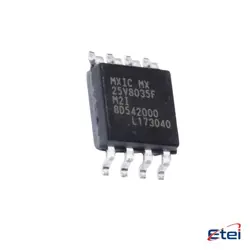
Изображения являются только для ссылки
ISO7240CDWR
+БОМDGTL ISOLTR 2.5KV 4CH GP 16-SOIC
-
ПроизводительТехасские инструменты
-
Мфр. Часть #ISO7240CDWR
-
Лист данных ISO7240CDWR DataSheet
-
В наличии14499
365 Дни гарантии качества
7*24 часы обслуживания каранти
90-гарантия послепродажного дня
Гарантия подлинного продукта
Спецификации
| Атрибут | Ценность |
| Part Status | Active |
| Technology | Capacitive Coupling |
| Type | General Purpose |
| Isolated Power | No |
| Number of Channels | 4 |
| Inputs - Side 1 / Side 2 | 4/0 |
| Channel Type | Unidirectional |
| Voltage - Isolation | 2500Vrms |
| Common Mode Transient Immunity (Min) | 25kV/µs |
| Data Rate | 25Mbps |
| Propagation Delay tp LH / tp HL (Max) | 42ns, 42ns |
| Pulse Width Distortion (Max) | 2.5ns |
| Rise / Fall Time (Typ) | 2ns, 2ns |
| Voltage - Supply | 3.15V ~ 5.5V |
| Operating Temperature | -40°C ~ 125°C |
| Mounting Type | Surface Mount |
| Package / Case | 16-SOIC (0.295", 7.50mm Width) |
| Supplier Device Package | 16-SOIC |
| Base Product Number | ISO7240 |
Обзор
Description
The ISO 7240 series covers various components and systems, including control and indicating equipment, fire detectors (such as smoke, heat, and flame detectors), sound systems for emergency purposes, and more. These standards aim to ensure reliability, effectiveness, and interoperability of fire detection and alarm systems to enhance building safety and aid in emergency response.
For specific components or new developments within this series, it's best to consult the latest ISO publications or relevant industry resources for the most accurate and up-to-date information.
Equivalent
Features
1. Sensitivity: It outlines sensitivity criteria for detecting various types of smoke, ensuring reliable detection in different environments.
2. Environmental Durability: Specifies performance under various environmental conditions such as temperature, humidity, and air pressure.
3. Interference Immunity: Sets standards for resisting false alarms from dust, insects, or electromagnetic interference.
4. Power Supply: Details requirements for the power supply, including backup options to ensure continuous operation.
5. Design and Construction: Discusses the physical construction to prevent tampering and ensure durability over time.
6. Testing Protocols: Provides guidelines for testing the efficacy and reliability of detectors, including response time and sensitivity tests.
7. Maintenance and Inspection: Outlines maintenance procedures to sustain performance over the device's lifespan.
These features collectively aim to enhance the reliability and effectiveness of smoke detectors in fire alarm systems, contributing to greater safety in buildings.